Get Your Packaging Data Ready for EPR Reporting
Packaging information is often spread across suppliers, specifications, purchasing systems and spreadsheets. I help bring it together so your team can see what is in each pack, where the evidence comes from and what still needs resolving.
Last reviewed: · Dave Chiddy
One connected workflow
See what we work through together and what you come away with at each stage. The scope depends on what your business needs.
Build a packaging record your team can use.
The work can include:
- A product and packaging component register.
- Verified or clearly identified estimated component weights.
- Material descriptions and program-specific category mapping.
- Supplier evidence and specification references.
- Packaging version and change records.
- A method for connecting packaging information with state supply data.
- An issues log showing gaps, assumptions and responsibilities.
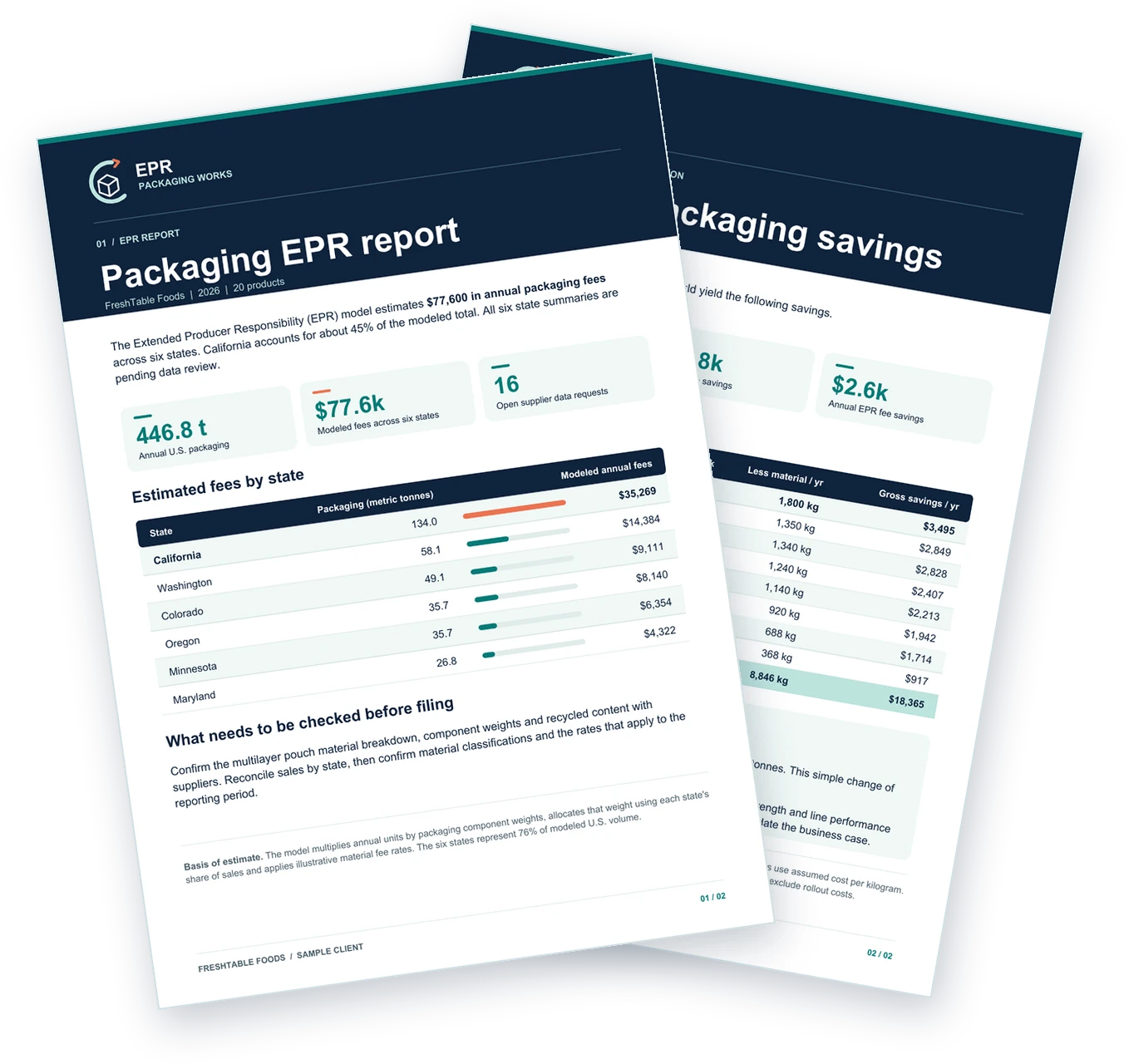
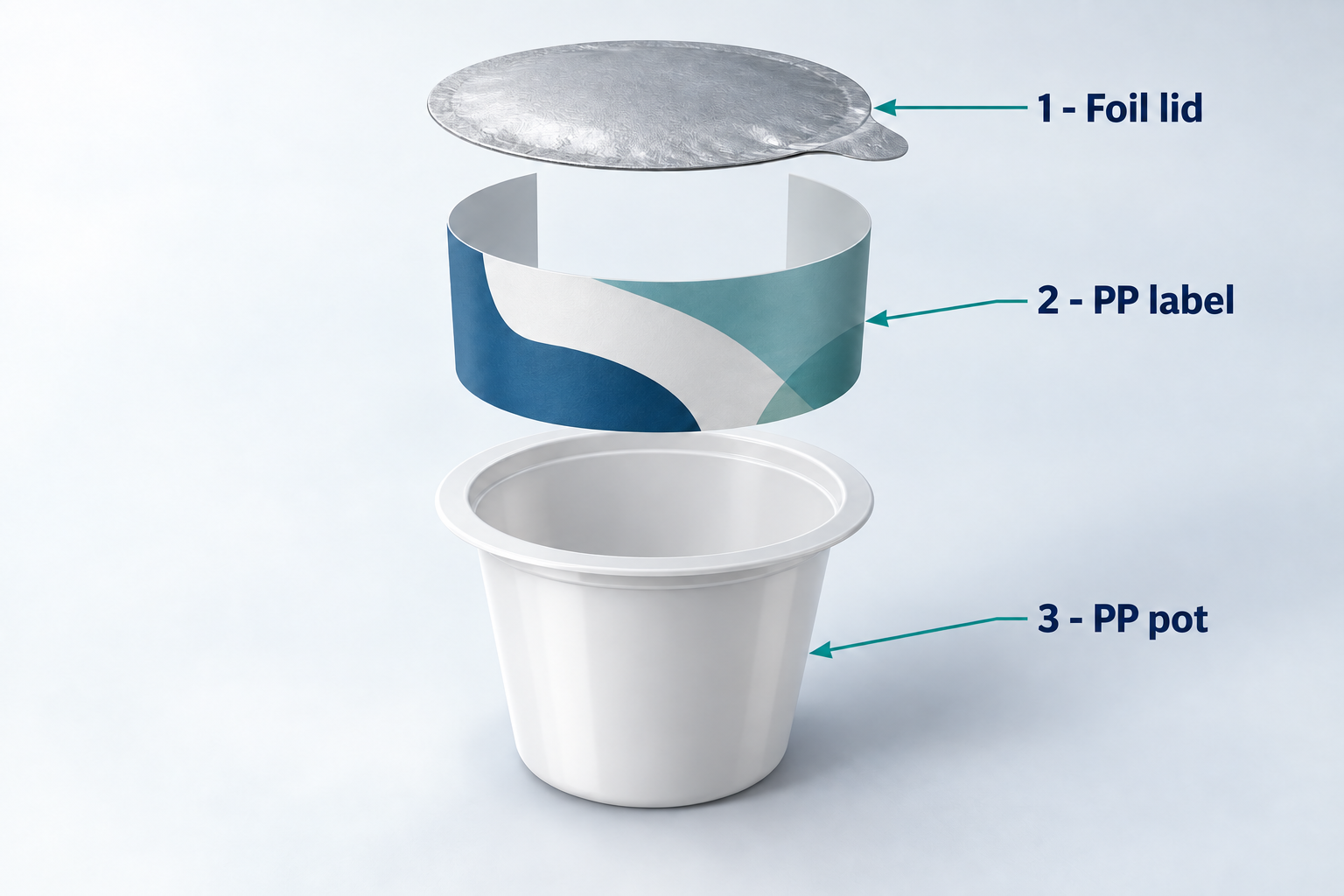
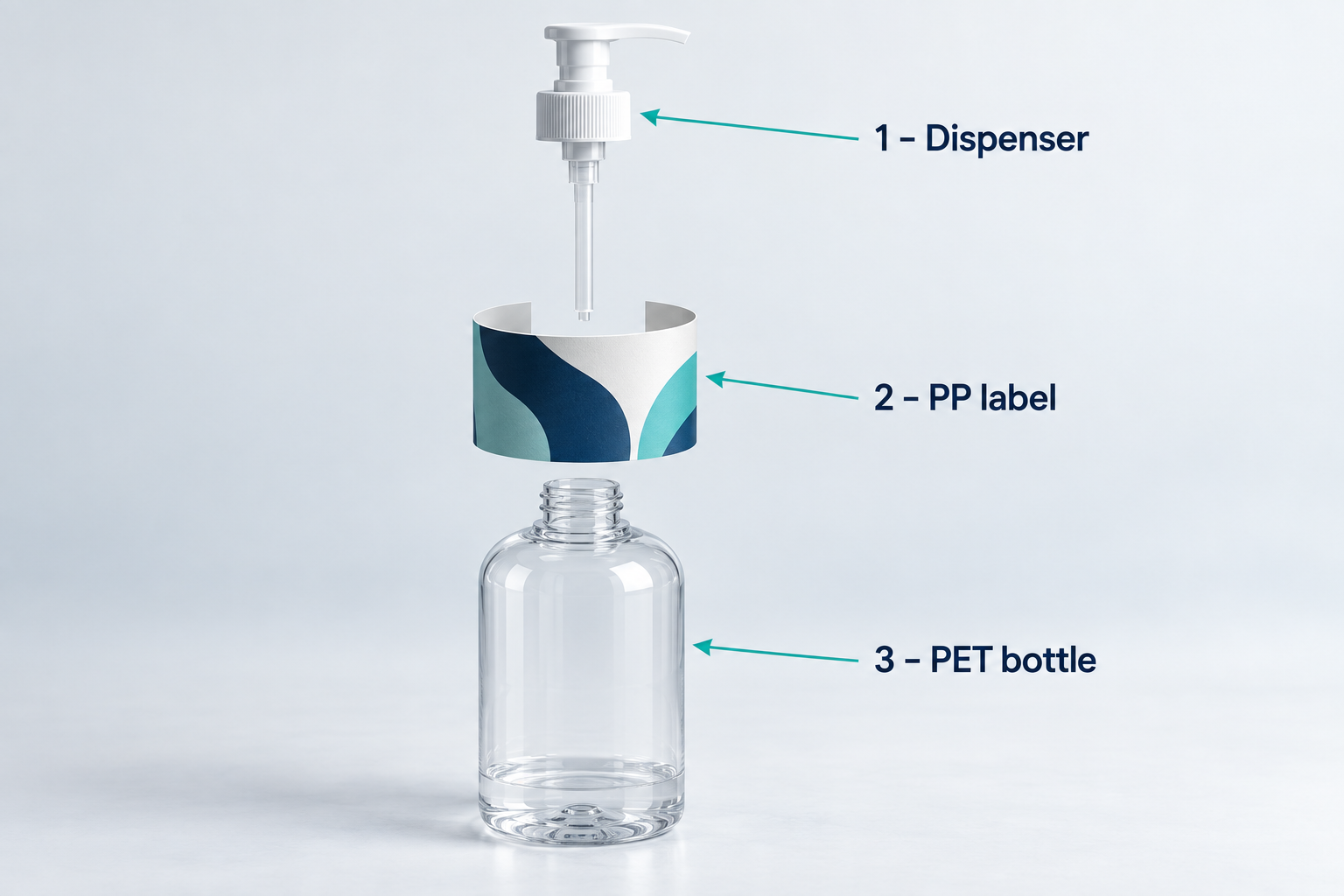
One SKU. Several components. Separate records.
A bottle, closure, label and shipping carton can require different material records and reporting treatment.
The aim is to account for each relevant component once, apply consistent units and retain the evidence behind the figures.
Better decisions start with a clearer view of the pack.
Materials and components can be simple on their own but create a far more complex picture when they are sold together.
Start with what you already have.
Useful inputs include product lists, packaging specifications, bills of materials, supplier contacts, component weights and sales records.
Where information is missing, we agree how to obtain it and record any assumptions that need resolving.
Talk through your data gaps